Comments: Richard Clark got a SQUATTY POTTY for Christmas with his callsign engraved in it.
For we all know Buzz is full of shit!
https://www.squattypotty.com/shop/
GoFuckYourself
01/04/17
Comments: Hey GE
How did you like the paint remover on your new car?
Karma is a bitch.
CASE STUDY: TOM & TAMMY PRAGER
01/02/17
Comments:
Introduction
Drinking alcohol during pregnancy puts a woman at risk for having a baby with fetal alcohol syndrome (FAS), an alcohol-related neurodevelopmental disorder (ARND), or other alcohol-related birth defects (ARBD). Collectively, these syndromes, disorders, and defects are referred to as Fetal Alcohol Spectrum Disorders (FASD). Children who are exposed to alcohol in utero can experience a variety of developmental, physical, cognitive, behavioral, and health related problems. For example, these children disproportionately receive diagnoses of Attention Deficit Hyperactivity Disorder, Oppositional Defiant Disorder, Pervasive Developmental Disorder, or Conduct Disorder (Coles, 2001). Significant behavioral problems are some of the most common complaints by parents and teachers of children who are born after fetal alcohol exposure. Alcohol exposure during pregnancy is recognized as the most preventable cause of mental retardation in the United States today (Maier & West, 2001). The children's cognitive deficiencies can range from somewhat lowered IQ to profound mental retardation. Some children also suffer growth retardation and birth defects of major organ systems, and may present with unique facial anomalies. The health, developmental, and behavioral consequences of fetal alcohol exposure are enduring and can be pervasive, often presenting lifelong challenges to affected individuals. As a result, prevention of FASD is a high priority goal, with social workers in an excellent position to provide preventive interventions with their clients of childbearing age or who are pregnant.
There are three primary purposes to training social workers about fetal alcohol exposure. This module is designed to (1) inform social work practitioners about the risks associated with alcohol consumption during pregnancy; (2) identify for social workers how the clients they work with might demonstrate consequences of fetal alcohol exposure; (3) specify mechanisms for prevention and intervention to address the difficulties children and families encounter following fetal alcohol exposure.
Learning Objectives*
By the end of this module, students should be able to: A. Understand the teratogenic nature of alcohol (i.e., that it can cause birth defects); B. Understand the differences between fetal alcohol syndrome (FAS), alcohol-related birth defects (ARBD), and alcohol-related neurodevelopmental disorder (ARND); C. Learn to identify features and behavioral traits often associated with FASD; D. Learn to identify, refer, and intervene with families at risk or experiencing the effects of fetal alcohol exposure. * Portions of this module are modified from the NIAAA guide, Identification of At-Risk Drinking and Intervention with Women of Childbearing Age: A Guide for Primary Care Providers (1999) and the companion publication, Personal Steps to a Healthy Choice: A Woman's Guide (1999), as well as modified text from Fetal Alcohol Syndrome/Fetal Alcohol Effects: A Toolbox for Educators (2003).
Why Learn About Fetal Alcohol Exposure?
Although FASDs are a lesser-known group of childhood disorders, knowledge about them is critical for social workers, given that many clients engaged in social work services experience alcohol use disorders. These clients might be unaware that drinking alcohol when pregnant might cause harm to their offspring, or may be underestimating the magnitude of the potential negative effects. Social work practitioners may find that other members of their health/mental health teams are not trained to recognize or intervene with fetal alcohol exposure, and this may include individuals responsible for their supervision. Furthermore, fetal alcohol exposure does not occur in a vacuum. For example, women who drink heavily during pregnancy, whose children are born with FASDs, often continue to drink heavily or binge drink during their child-rearing years (May & Gossage, 2001). This continued drinking behavior may be associated with other harmful or risky parenting practices which may further contribute to poor developmental outcomes: child neglect, exposure to family violence, and exposure to inappropriate lifestyles. Based on a review of the literature, May and Gossage (2001) estimate the U.S. rate of FAS as being 0.5-2.0 per 1,000 live births, and estimate the combined rate of FAS and other alcohol-related birth defects to be approximately 1% of all births.
Background
Definitions Alcohol is a known teratogen, or teratogenic agent. These terms are applied to any agent that is known to interfere with normal embryonic development. Examples of well-recognized human teratogenic agents include radiation exposure (including excessive x-ray irradiation), a host of infectious agents (such as german measles virus, polio virus, herpes simplex, syphilis), chemical exposure (such as lead, organic mercury compounds, herbicides, and industrial solvents) and exposure to certain drugs (including such prescription drugs as thalidomide, as well as "street" drugs). Susceptibility to teratogenic agents is variable, sometimes running the gamut from death to disability/deformity to relative normalcy. The range of effects is determined by a number of factors, including dosage of exposure, developmental timing of exposure (which organ systems are developing at the time of exposure), duration of exposure, array of agents involved, and constitutional factors in both the mother and the fetus.The term Fetal Alcohol Spectrum Disorders (FASD) refers to the full continuum of consequences of fetal exposure to alcohol. The term "spectrum" has been widely used among stakeholders in the community of individuals addressing fetal alcohol exposure. A "spectrum" model reflects the fact that disorders and disabilities related to prenatal exposure to alcohol manifest along a continuum ranging from very mild to very severe. The continuum is expressed in terms of type, number, and severity of symptoms or complications. Within the FASD spectrum, the most severe disorder is Fetal Alcohol Syndrome (FAS). The diagnosis of FAS is based on three criteria which include appearance in the infant of:
Growth retardation,
Specific types of facial malformations, and
Neurodevelopmental abnormalities of the central nervous system (CNS).
Confirmed maternal use of alcohol during pregnancy is not required to make the diagnosis of FAS.
Within the FASD spectrum, the Institute of Medicine (1996) identified several broad diagnostic categories that are related to prenatal alcohol exposure, but lack the visible characteristics associated with FAS (Warren & Foudin, 2001). One of these categories is Alcohol-Related Birth Defects (ARBD), characterized by:
confirmed maternal alcohol use during pregnancy, and
one or more congenital defects of the heart, bone, kidney, vision or hearing systems.
The second category of FASD is Alcohol-Related Neurodevelopmental Disorders (ARND), which are characterized by:
confirmed maternal alcohol exposure, and
CNS neurodevelopmental abnormalities or a complex pattern of behavioral and/or cognitive deficits.
It should be noted that many members of the research community perceived these criteria established by the Institute of Medicine as being insufficiently specific to make clear diagnosis possible. Similar ambiguities were noted in a modified set of diagnostic criteria published later (Astley & Clarren, 2000; Hoyme et al., 2005). Efforts to refine the FASD criteria continue at this time, but it should be noted that the term Fetal Alcohol Effects (FAE) is no longer current, as it is less specific than the ARBD and ARND terminology.
Alcohol Use During Pregnancy Ethanol is the alcohol of beer, wines, and liquors. There is no known safe level of alcohol use/ethanol dosage during human pregnancy. While adverse effects of low dose alcohol use during pregnancy remain somewhat controversial, a number of animal and human studies suggest that 1-2 drinks per day can have measurable adverse effects on a developing fetus. In addition to the FASD described above, alcohol exposure during pregnancy can contribute to miscarriage, premature birth, low birth weight, and other birth complications. Among women who drink heavily during pregnancy, there is an increased risk of Sudden Infant Death Syndrome (SIDS) among their infants (Iyasu et al., 2002). Brainstem abnormalities of SIDS babies born to drinking mothers have been detected; the brainstem is thought to be key in the regulation of certain critical regulatory functions in the body (Kinney, et al., 2003). Surveys conducted by the Centers for Disease Control suggest that nearly 13% of pregnant women use alcohol during pregnancy (CDC, 2004). Approximately 3% of all pregnant women drink two or more drinks per day or five or more drinks per occasion (CDC, 2004), which places their fetuses at increased risk of adverse exposure outcomes. However, a relatively recent study concludes that reports of drinking during pregnancy may be unreliable (Weisskopf, 2001). Based on a review of the literature, May and Gossage (2001) estimate the rate of FAS in the U.S. to be between 0.5 and 2.0 per 1,000 live births and the rate of FASD (FAS and other alcohol-related birth defects combined) to be approximately 1% of all births. Statistical evidence also suggests that, in the United States, alcohol consumption during pregnancy and the incidence of FAS have increased in recent years (CDC, 1997). Risk factors associated with the expression of FASD include certain types of maternal drinking patterns; maternal psychological factors (depression, low self-esteem, sexual dysfunction); the mother having a partner with an alcohol use disorder and/or living in a social environment that condones heavy drinking; and low socioeconomic status (May & Gossage, 2001).
Alcohol in Combination with Other Factors Alcohol consumption during pregnancy often occurs with other complicating fetal risk factors. Where concerns exist about a pregnant woman's use of alcohol, the possibility of additional co-occurring risks to the fetus should be assessed, as well. These include:
The drugs most commonly associated with alcohol use during pregnancy are tobacco and marijuana. In some areas of the United States, methamphetamine, cocaine and heroin are more commonly used than in other areas. The use of stimulant drugs is associated with premature birth, intrauterine growth retardation, and adverse fetal outcomes (National Household Survey of Drug Abuse, 1999, http://www.health.org:80/govstudy/bkd376/index.htm)
Alcohol Exposure and Phases of Embryo/Fetal Development An ideal mechanism for depicting peak periods of fetal vulnerability to alcohol exposure is the illustration below (Coles, 1994). In this illustration, the darkest segments of each time line indicate the periods of greatest fetal sensitivity to alcohol exposure for each organ system that is developing at any point in time. Teratogenic exposure at this time has the potential for major interruption or disturbance of structural development. The lighter segments of each time line indicate periods of continued sensitivity to alcohol exposure, during which physiological abnormalities and minor structural defects could still occur.
The full cellular and molecular impacts of fetal alcohol exposure, and the specific mechanisms by which developmental damage occurs remain to be fully elucidated. However, the following factors should be considered:
Alcohol may interfere with the action of endogenous growth factors, such as cell adhesion molecules that are essential for proper brain development.
Alcohol may induce excess free radicals that damage cells and tissues.
Stress hormones, prostaglandins (modified fatty acids that act as messengers in inflammatory response to infection) and glucocorticoids (anti-inflammatory compounds within the body) may be involved in alcohol's actions.
Excessive cell death induced by alcohol in certain populations of sensitive cells may result in abnormal tissues or organs.
Recognizing Fetal Alcohol Syndrome (FAS)
Physical Growth Patterns Associated with FAS Children with FAS often present with:
small heads (decreased cranial size at birth);
low birth weight for gestational age;
decelerating weight over time not due to nutrition;
disproportionate low weight to height; and,
short stature.
As children with FAS reach adolescence and adulthood, some do achieve height and weight in the normal range. Ideally, all children equal to or below the 10th percentile for head circumference, stature (length or height), and weight should be assessed for possible prenatal exposure to alcohol. This recommendation also applies to infants and children demonstrating other growth deficiencies that are not clearly hormonally based.
Facial Features: Infants and children with FAS often present with a specific pattern of atypical facial features. The typically discriminating features that are considered definitive signs of FAS are depicted on the left side of the following illustration. The right side of the illustration depicts features that are commonly associated with FAS, but that are not conclusive or sufficient for making an FAS diagnosis.
The Young Child
In order to make a diagnosis of FAS, at least two or three of the facial characteristics on the left side of the diagram must be present (depending on which classification system is being applied). Facial features begin to be established during the first 8 weeks of pregnancy. Generally, mild malformations may appear with low levels of alcohol exposure during this period. In the absence of other teratogenic exposures (e.g., hydantoin) or certain genetic disorders, normal facial features should be present during this period of development. The three primary facial abnormalities associated with FAS are:
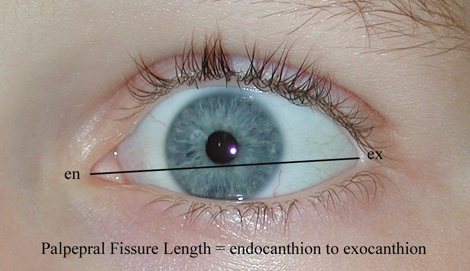
Short palpebral fissures (small eye opening), thought to be related to impaired development of the eyes and orbital cavity;
A thin vermillion border (borders of the upper lip);
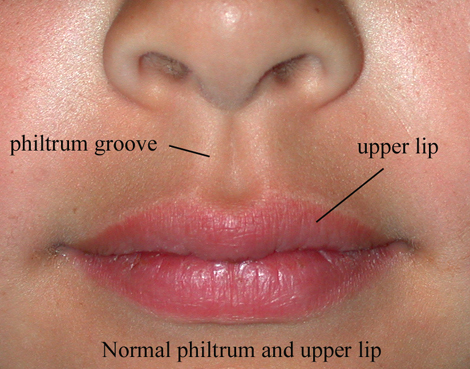
Long flat philtrum (space between nose and upper lip), related to developmental changes in the midface.
Discriminating features (i.e., those considered definitive signs of FAS) are shown on the left side of the illustration; characteristics listed on the right side are associated with FAS but are not sufficient to make a diagnosis. One needs at least two or three of the facial characteristics on the left side of the diagram, depending upon whose classification is being used, in order to receive a diagnosis of FAS.
FAS Facial Feature Characteristics
This photo of a child diagnosed with FAS illustrates the characteristic facial features. The child has growth retardation (in this case, weight below the 5th percentile), a small head circumference, and dysmorphic facial features. Small head circumference (microcephaly), is not a facial feature per se, but is indicative of reduced brain size. Throughout the 23 year-old mother's pregnancy, she drank up to 28 standard drinks per week and often binged on weekends. Her two previous children did not show signs of FAS. She thought that since she drank during her first two pregnancies and delivered children who appeared to be unaffected by her alcohol use, she could drink this time, too. She also smoked a pack of cigarettes a day throughout most of her pregnancy.
These four children also meet the criteria for FAS. The child in Figure C has features resembling Down Syndrome characteristics, however chromosome analysis was normal. There was sufficient evidence, including fetal alcohol exposure, to make a diagnosis of FAS.
The following photographs show the development of three individuals diagnosed with fetal alcohol syndrome as they progressed from infancy/early childhood to young adulthood (Streissguth, et al. 1991; Streissguth, 1994). Even though FAS facial features may be apparent in early childhood, they may minimize or disappear later in life. These changes can make it difficult to first diagnose FAS in adolescent or adult clients.
Row one shows an individual who was diagnosed with FAS as a newborn and again at ages 5, 10, and 14 years. He has exhibited growth deficiencies and microcephaly throughout his life. Row two shows an adolescent girl as a newborn, at 9 months, and again at 4 and 14 years of age. She was diagnosed with FAS at birth, with later intellectual functioning in the borderline range. Although her facial features are gradually maturing, she still has some FAS facial characteristics. The third row shows a woman whose condition was diagnosed as FAS at 4 years of age. Photographs also show her at 9, 13, and 19 years. She has an IQ level of 85-90. Her early FAS facial manifestations have evolved into a fairly normal facial appearance in adult life. At 19, her head circumference was below the 1st percentile, her height was below the 5th percentile, and her weight was around the 10th percentile.
Affected Brain Regions: The developing brain is particularly sensitive to alcohol during the third trimester period of rapid growth. With fetal alcohol exposure, the cerebral cortex is known to exhibit abnormal patterns and distribution of neurons, as well as abnormal neurotransmission, and the hippocampus and cerebellum to exhibit decreased cell numbers and altered neurochemical activity. The corpus callosum may be absent or poorly developed in children with prenatal alcohol exposure, as shown by MRI testing (Mattson, Jernigan, & Riley, 1994).
FASD: Brain Regions Affected
These images depict the corpus callosum (see arrow) for a normally developing child on the left. The middle picture depicts a child diagnosed with FAS, showing a focally thin corpus callosum. The child with FAS on the right has agenesis (absence due to abnormal development) of the corpus callosum. The size and volume of two other brain regions-the cerebellum and basal ganglia-may be reduced as a result of fetal alcohol exposure. Other abnormalities include the development of fewer numbers of cells in various parts of the brain.
Recognizing Other Fetal Alcohol Spectrum Disorder (FASD) Traits
Neurological Signs Associated with FASD During Infancy During infancy, the important developmental areas in which fetal alcohol exposure most likely will be exhibited include the following:
Sleep disturbances-Possibly manifested as unpredictable and disrupted sleep/wake cycles and poor state regulation, such as more time in drowsiness and less time in an active alert state.
Feeding difficulties-Manifested by the infant having a hard time sustaining sucking or exhibiting a weakened suck reflex.
Reduced attention-This might appear as a lack of interest or lack of attention to/interest in novelty (objects, sounds, and people) in the environment.
Decreased visual focus-The infant may be slow to develop visual coordination skills, such as visually following the movement of a person or object (visual tracking).
Hyper-arousal-The infant may demonstrate heightened, excessive response to stimulation (e.g., startles easily).
ARND in Toddlers (18-24 months) As the infant with FASD matures into a toddler, a constellation of characteristics might be expressed. These may include some combination of:
Short attention span-This might be manifested as an inability to stick to one task and difficulty "shutting out" noises, lights, and confusion around the child.
Increased activity-These toddlers do not stay in one place for long. The child seems to be moving about almost all the time and may be impulsive. Note that this is difficult for inexperienced observers to discern from normal toddler activity levels.
Altered motor skills-These toddlers may have trouble learning or acquiring new motor skills, especially those involving unfamiliar movements. The child might avoid certain toys that require fine motor coordination and may have trouble picking up small objects.
Increased stress reactivity-The child might overreact in extreme ways to stressful situations, such as separations from a parent or during inoculations. Again, note that this is difficult for inexperienced observers to discern from normal toddler distress behavior.
ARND During Childhood (4-5 years) At the point of school entry, the child who was prenatally exposed to alcohol may demonstrate a series of specific deficits or behavioral characteristics. These include:
Delayed speech development-This might be manifested by difficulty learning and retaining new words or by grammatical errors in speech that are not normal for the child's age.
Altered motor skills-The child might demonstrate difficulty with activities requiring eye-hand coordination, problems with computer games (i.e., typing or "mousing"), or in playing physical games or sports (especially those involving ball handling skills).
Attention deficits-The child may be easily distracted, have difficulty with focus, or be overly active (Nanson, & Hiscock, 1990).
Learning deficits-These difficulties might be manifested as difficulty retaining new information, needing more time or trials to complete tasks, having trouble with numerical concepts, difficulty with abstract ideas, and verbal learning deficits (Mattson et al., 1996).
Caregiver concerns-Parents, daycare providers, and other caregivers might have a wide variety of concerns about the child's behavior, including, but not necessarily limited to: difficulty keeping friends, lack of normal fear, difficulty following directions, impulsive behavior, difficulty switching from one activity to the next, or low tolerance for frustration.
ARBD Diagnosis A diagnosis of ARBD is based on both confirmation of alcohol exposure during the prenatal period and the presence of one or more birth defects known to be associated with fetal alcohol exposure-these may include abnormalities of the face, eyes, ears, heart, brain, kidneys, or limbs. It may be difficult to attribute these sorts of birth defects to alcohol exposures, because many of them are also associated with genetic abnormalities, exposure to other teratogens/toxins, or are of unknown origin. For example, certain types of cardiac defects that have been associated with fetal alcohol exposure occur in 5-10% of children, but are also frequently caused by phenomena and teratogens other than fetal alcohol exposure. Clinicians and social workers need to be careful when associating birth defects with possible alcohol exposure effects.
Diagnostic Process Expert diagnosis of the various FASDs requires specialized training in dysmorphology, a branch of clinical genetics concerned with patterns of growth and structural defects. In young children, a pediatric dysmorphologist is the best choice for making a diagnosis of FAS and some of the ARBDs. The purpose of this specialized assessment process is to rule out other known patterns and causes of human malformations before settling on a diagnosis of FAS or other FASD (Hoyme et al., 2005). Because ARNDs are not always accompanied by evident physical characteristics, these are usually best diagnosed by a developmental psychologist and/or neurologist/neuropsychologist (Janzen, Nanson, & Block, 1995). Pediatricians are increasingly knowledgeable about FASD, but continued efforts are needed to support their asking about prenatal alcohol exposure and training them about the full spectrum of fetal alcohol effects in order to improve the early diagnosis and intervention opportunities (Stoler & Holmes, 1999). Social work professionals can facilitate the proper diagnostic and assessment procedures (i.e., locate appropriate resources, identify means of paying for the services), and provide support for the family/caregivers through the process. (See the Minnesota Organization on Fetal Alcohol Syndrome-MOFAS at http://www.mofas.org or the National Organization on Fetal Alcohol Syndrome at http://www.nofas.org/ for national listings of resources.) Secondary Disabilities/Problems Associated with FASD As adults, the children who experience severe FASD (and FAS) very often experience problems in leading independent lives. These children, when followed into adulthood, were observed to have significant difficulty in maintaining employment and social relationships with family, friends, and partners if they did not receive appropriate support (Streissguth, et al., 1996). In addition, many of these individuals encountered legal difficulties, as well. [Note: These data are from an adolescent/adult sample aged 12 and over, where the cohort had limited assessment and early intervention in infancy/childhood.] The most frequent secondary disabilities and problems observed in this study included:
Mental health problems were prevalent among 90% of the sample's clients;
Disrupted school experience characterized 60% of the clients, indicated by having been suspended or expelled from school or having dropped out of school;
Trouble with the law was experienced by about 50% of the clients, described as having been in trouble with authorities, charged, or convicted of a crime;
Confinement, including inpatient treatment for mental health problems, alcohol/drug problems or having been incarcerated for a crime, was experienced by about 50% of these clients;
Inappropriate sexual behavior was experienced by 50% of the clients;
Alcohol/drug problems were noted among 30% of the clients;
Problems with employment were experienced by 80% of the clients; and,
Dependent living was characteristic of 80% of the clients. (Independence is defined by either being independent on 12 daily living activities, whether or not a support person is present, and/or not having a support person organizing their lives, not living with a caregiver and being able to handle 9 - 12 daily living activities, including paying own expenses; dependent living is defined as not being independent).
Protective Factors Against Disabilities Secondary to FASD: The Streissguth et al. (1996) study, conducted in Washington State with children experiencing what was then termed FAS and FAE, led to the identification of a set of specific "universal" protective factors for children experiencing fetal alcohol exposure. More research is needed to support these findings, however, these results suggest that social workers do have means of intervening to ameliorate the negative consequences associated with FASD. The identified protective factors that will minimize and help avoid secondary complications include:
1. Living in a stable and nurturing home-for at least 72% of a child's life; 2. Being accurately diagnosed before the age of 6 years; 3. Never having been the victim of violence; 4. Relative stability, described as remaining in the same living situation for more than 2.8 years; 5. Experiencing a "good quality" home between the ages of 8-12 years; 6. Having applied for, been found eligible for, entering into, and receiving Division of Developmental Disabilities Services; 7. Having a diagnosis of FAS rather than other effects of alcohol exposure-Note that receiving a diagnosis of FAS confers eligibility for early intervention services in many communities, while other alcohol-related diagnoses often do not confer such eligibility. 8. Having basic needs met for at least 13% of life. In addition, it is recommended that social workers encourage parents or caretakers to promote simple behaviors and activities that a child with FASD can learn and eventually master. This includes assisting the child with FASD in developing and understanding basic living skills.
Prevention: The most obvious way to prevent the secondary consequences of FASD is to prevent the FASD from occurring in the first place. Social work professionals are often in key positions to help prevent FASD, as they work with women of childbearing age in many capacities. One mechanism of prevention is to help women understand that FASD are preventable birth defects. Preventing FASD means helping pregnant women to abstain from alcohol consumption. In situations where this is not an achievable goal, social workers can support pregnant women in reducing a baby's exposure by significantly cutting back on the amount, duration, and frequency with which they drink. Furthermore, social workers can assist pregnancy women with avoiding concomitant hazards like poor nutrition, psychological distress, violence exposure, smoking and other drug exposure. Social workers can support women in seeking and securing prenatal health care, as well. Preventive intervention should not be limited to women who are known to be pregnant, but should begin before women become pregnant and before pregnancies are recognized.
Successful social work prevention and risk reduction efforts require strong screening and motivational interviewing skills (see Module 4 "Screening for Alcohol Use Disorders" and Module 5 "Assessing and Diagnosing Alcohol Use Disorders," as well as Module 3 "Preventing Alcohol Use Disorders"). Educating individuals and families about fetal alcohol exposure is a necessary, but not sufficient approach to prevention.
Social Work Skills
A 4-step protocol is offered here, to help social work professionals learn and remember to screen, assess, refer/treat women of childbearing age who drink alcohol.
Step I. ASK about alcohol use When asking about alcohol use, the tone and language of questions are important, especially since alcohol use and drinking while pregnant have so many associated stigmas. For example, ask questions like, "In what contexts or situations do you drink alcohol?" and "When you drink, how much alcohol do you drink?" Research has shown that questions about alcohol consumption are more accurately answered by women who are not pregnant; pregnant women are more likely to answer them accurately after the end of a pregnancy than while pregnant. More accurate responses are likely with pregnant women when the questions about alcohol are presented within the context of asking about nutrition and diet (May et al., 2000). The questions should address quantity and frequency of drinking, and the timing (gestational periods) of drinking during pregnancy.
Step II. Assess around alcohol-related problems If the response to Step I items indicate that a woman is drinking more than 7 standard drink equivalents per week or is drinking more than 2 drinks at a time with the intention of "getting high," it is appropriate to move from screening to assessment. Assessment should include alcohol-related problems in the medical, behavioral, employment, safety/accidents/risky situations, legal, and family domains.
Step III. Advise Brief advice has been shown to reduce alcohol use among women of childbearing age. At-risk and problem drinkers should receive brief advice for cutting down or abstaining during pregnancy or if they are likely to become pregnant. Birth control advising may also be in order for women who are drinking heavily and are likely to continue drinking if they become pregnant. (See Module 6 "Intervention and Motivation" for details concerning "brief" approaches.)
Step IV. Follow-up and Reinforcement Social workers should include follow-up in their plans with a client who has been screened, assessed, advised, and possibly referred for alcohol problems. Furthermore, social workers should provide reinforcement for efforts to make changes.
FASD Intervention Programs
A number of programs have been implemented and evaluated for working with children and families affected by FASD. This includes early intervention programs, addressing educational needs, individual and family counseling, addressing mental health and behavioral disturbances, and adoption programs.
Early Intervention Programs and FASD: Currently, all states, the District of Columbia, and all U.S. territories participate in the Federally mandated Early Intervention Program for young children with or at risk of developmental disabilities. Each state has a State Lead Agency (SLA) that is responsible for receiving funds and administering the program-designated agencies may include the state education agency, welfare agency, or state health services agency. Each state must also have an Interagency Coordinating Council (ICC) to advise and assist the SLA.
Children who meet the state's definition of developmental disability or have a diagnosed physical or mental condition that has a high probability of resulting in developmental disability (such as Down syndrome, cerebral palsy, hearing loss, etc.) are eligible to receive early intervention services. States may also elect to provide early intervention services to children who are considered "at-risk" of developing developmental delays. Each state individually defines "at-risk" based on biological/medical risk, environmental risk, or a combination of the two. Biological/medical risk includes conditions that increase risk, but do not guarantee that the child will be developmentally delayed, such as failure to thrive or low birth weight. Environmental risks include parental drug use, poverty, or other current family circumstances that increase risk to a child (Children's Bureau of the U.S. Department of Health & Human Services, December 2002).
Many children with FASD may clearly fit into the category of children with developmental disabilities, thereby making them eligible for services, whether or not the community's programs specify FASD under eligibility. Under the Early Intervention Services System Act, in some states a child under the age of three with FAS is considered to have a disability-although efforts to modify policy to recognize FASD and FAS are underway, no nationwide consensus currently exists (Christian, 2004). Many children with FASD are likely fall into the category of children "at risk" and may or may not be deemed eligible for services in their community. Unfortunately, far too many children with FASD remain largely undetected by educators, social workers and other health professionals, which results in their needs going un-addressed. Services to these children and their families needs to be multi-modal, and planned with the flexibility to incorporate new strategies as the child, family, or service opportunities change (O'Malley, 1999). Children with FASD require more specific assessment than only IQ testing provides (many of these children are categorized as having mile, moderate, or severe mental retardation). Assessment around possible behavior problems, attention deficits, executive functions, hyperactivity, and other challenges-as well as strengths-need to be conducted (Kodituwakku, Kalberg, & May, 2001). The range and extent of neuropsychological impairment among adults and children with FAS/FASD does not necessarily vary in direct relation to individual IQ levels (Don, Kerns, Mateer, & Streissguth, 1993). Common learning difficulties among these individuals include:
Difficulty with information processing and memory, including difficulty in translating what is heard, read, and spoken into appropriate behavior/responses;
Attention difficulties;
Difficulty with abstract and conceptual thinking, as well as recognizing similarities/differences and difficulties with sequencing;
Math difficulties;
Reading and writing difficulties, particularly in reading comprehension and organization in writing;
Problems with executive functioning, such as planning, organization, and concept formation, as well as with other self-direction processes;
Difficulties with generalizing across situations and learning from past experiences (Kodituwakku, et al., 1995, 2001; Streissguth et al., 1991).
Ongoing assessment is essential, across the individual's lifespan, because the nature of disabilities and deficits associated with FASD may change as the individual matures and ages, necessitating modification of interventions and placement decisions. Social workers should recognize the ways in which these deficits and challenges might require them to relate differently to their child, adolescent, and adult clients who have FASDs. For example, traditional "insight" therapies may have little efficacy in working with individuals who have FASD, as areas in the brain that are implicated in cognitive, emotional, and executive functioning may be affected. Techniques that rely on modeling, hands-on experiences, and concrete directions may be more effective with this population. Malbin (1999) suggests that teaching these individuals about rules (right from wrong) requires demonstration rather than statement of rules, repeated re-teaching in a variety of settings and situations (due to generalization difficulties), longer timelines for remembering the new rules, and checking for comprehension with a "show me" rather than "tell me" strategy.
Social work intervention should also be offered to help keep children with FASD safe from harm related to their impaired comprehension, impulsivity, and underdeveloped social skills and understanding. These characteristics place children at risk of potentially dangerous situations as they begin to grow up, and they may require more and longer boundaries and supervision (LaDue, 2002). To keep these individuals safe from sexual exploitation, it is important that they have age-appropriate, concrete education about development and sexuality. Early, concrete, and consistent education about sexuality, birth control, safe boundaries, safe touching, and sexually transmitted diseases is especially critical with this population.
Family Intervention: Early intervention planning currently involves the establishment of interdisciplinary teams to serve children and their families when developmental disabilities like FASD are detected. The teams typically include the relevant members from medicine, social work, nursing, occupational therapy, physical therapy, psychology, education, early intervention specialists, and parents/guardians, along with the child. These teams are ongoing and dynamic, because individuals with FASD are each affected in unique ways, the resources that are needed and available will shift over time, and each family brings its own perspectives, strengths, and needs to the situation. Also, because each individual with FASD is affected in unique ways, it is important for the intervention team to avoid the use of threatening and overly broad terms like "brain damage" which may invoke excessive pessimism and guilt in the family members. The intervention team should devise means of working effectively with the family system. On one hand, some of the therapeutic strategies require multiple trials to be learned by the individual, and this repetitive training needs to take place in the naturalistic environment-meaning that the family members must become therapeutic allies. Family intervention can help them to understand the need for their assistance, help motivate them to provide the assistance, and help the team understand the family's circumstances which may include barriers to the assistance. On the other hand, the family may need intervention in order to address the "toxic shame" and guilt associated with having delivered a baby with FASD, learn how to negotiate the service delivery system, and address ongoing alcohol problems in the family. Families might also benefit from support groups related to FASD; a national directory of resources can be consulted on the web at http://www.nofas.org/ and other resources are available from Minnesota's FAS site at http://www.mofas.org
Mental Health: The criteria for psychiatric disorder(s) were met among 87% of children between the ages of 5-13 years in clinic care for fetal alcohol exposure (O'Connor et al., 2002). The diagnoses were predominantly bipolar disorder (35%) and either major depressive disorder or adjustment disorder with depressed mood (26%). It is difficult to determine the depressive symptoms that may be a direct result of the fetal alcohol exposure and which are secondary to the experiences of school failure, attention deficit disorders, social rejection, and family stress. Children with FASD may find it difficult to express their feelings and concerns effectively, especially through verbal means. Indirect approaches to assessing for affect disorders may be more effective with this population (e.g., in the context of art or play therapies). Psychiatric evaluation for possible anti-depressive medications may be in order, as well (O'Malley, 2000).
Children with prenatal alcohol exposure, especially fully-expressed FAS, are often said to exhibit behaviors consistent with attention deficit hyperactivity disorder (ADHD) and/or other attention problems. One study suggests that as many 60% of individuals with FAS, aged 6-20 years, experience attention deficit problems (Streissguth, Barr, Kogan, & Bookstein, 1996). There exists some question across studies as to the consistency and interpretation of this association. Coles (2001) suggests that understanding the relationship between prenatal alcohol exposure and attention requires a multifaceted approach that includes evaluating children's development across factors such as maternal caregiving, cognitive processes, and other components of behavior.
Among adults with FAS or ARND, the most reported DSM-IV Axis I disorders are alcohol/drug dependence, depression, and psychotic disorders (Famy, Streissguth, & Unis, 1998). In utero brain injury has been indicated as a predisposing factor for the development of psychotic symptoms (Gureje, Bamidele, & Raji, 1994), and prenatal alcohol exposure has been tentatively associated with an increased risk of schizophrenia (Lohr & Bracha, 1989). Nearly 15% of children aged 6-11 and 20% of adolescents aged 12-20 who had FAS reported "hearing voices" or "seeing visions" (Stressguth, Barr, Kogan, & Bookstein, 1996). However, not all individuals reporting these experiences can be diagnosed as psychotic; these disturbances may also be directly attributed to visual or auditory impairments associated with the FASD phenomena. Therefore, careful evaluation of individuals with FASD is required in order to identify actual causes of sensory disturbance symptoms.
aafp.com
01/02/17
Comments:
FETAL ALCOHOL SYNDROME THE THREE DIAGNOSTIC FEATURES
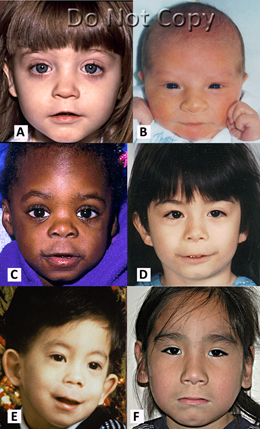
Examples of the full (Rank 4) FAS facial phenotype across race and age (A) Caucasian, (B) Caucasian infant, (C) African American, (D) Asian, (E) Hispanic, (F) Native American. (copyright Astley 2012)
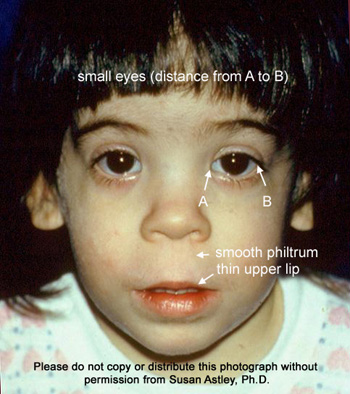
Short Palpebral Fissure Lengths Distance from A to B is 2 or more standard deviations below the mean.
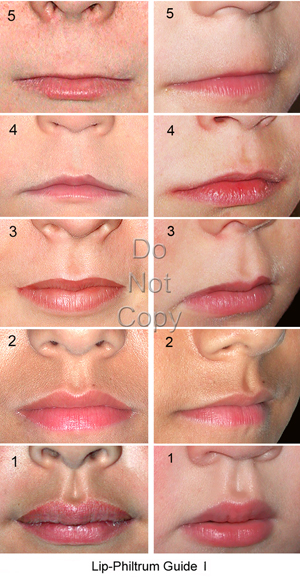
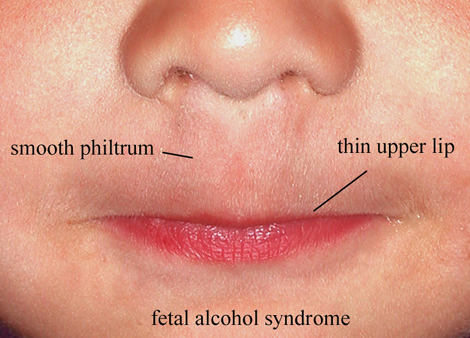
Smooth Philtrum The vertical groove between the nose and upper lip is a Rank 4 or 5 on the Lip-Philtrum Guide. Click here to view additional instructional photos on how to identify a Rank 4 or Rank 5 philtrum.
Thin Upper Lip Red portion of upper lip is a Rank 4 or 5 on the Lip-Philtrum Guide.
question 2
01/01/17
Comments: Does anyone know if Tammy wears a strap-on and who is the MAN in their relationship?
I wonder if Tommy likes his women to be the dominant man type.
another question
12/31/16
Comments: Any pictures of Tammy before she became washed up hooker? Just curious.
Also is the rumors true about Tommy being shot while robbing a gas station.
I heard he did time too
secret
12/31/16
Comments: TAMMI AND I ARE DRUG DEALERS WHO DEAL CRYSTAL METHAMPHETAMINE OUT OF THE MAYFAIR TRAILER PARK AT 9740 CEDAR (TRAILER SPACE #22) IN BELLFLOWER, CA.
TAMMI AND I STAY ONE STEP AHEAD OF THE LAW BY ME POSING AS THE MANAGER OF THE MAYFAIR TRAILER PARK. WE ALSO GIVE A CUT OF THE PROFITS FROM OUR DRUG DEALING TO THE PROPERTY MANAGER JUDY BRINK.
IF YOU WOULD LIKE A PART OF THE DRUG ACTION AT THE MAYFAIR TRAILER PARK PLEASE FEEL FREE TO CONTACT JUDY BRINK.
Comments: Get stockpiles ready. Salton sea area is doing its earthquake swarm thing again so be prepared.
Insure Beer is well stocked
http://scedc.caltech.edu/recent/Maps/116-33.html
Question
12/31/16
Comments: KD6CQS looks like someone gave him a permanent punch in the mouth. Maybe he was always a loud mouth since he was a kid and the fat lip was the result of getting his ass kicked?
He is just another obnoxious character on 435 that has the ability to build up his enemies list. Most likely he will have to hide behind Tammy if he goes out in public or face an ass whoop from some of these same people he is good at making enemies with.
Strange thing with this guy, he decides to pick fights and goes out of his way with other Hams that never met him and ones that had their first QSO with him?
What's up with that. I guess he deserves what he gets if he is this way.
Paul William Prager
12/31/16
Comments:
Paul William Prager, 46
Posted March 24, 2003
Paul William Prager, a 46-year-old whitemale, died Monday, March 24, after being shot in Rosemead during a illegal drug transaction, according to Los Angeles County coroner's records.
Fetal alcohol spectrum disorders (FASD) are caused by the effects of maternal alcohol consumption during pregnancy. Fetal alcohol syndrome (FAS) is the most clinically recognizable form of FASD and is characterized by a pattern of minor facial anomalies, prenatal and postnatal growth retardation, and functional or structural central nervous system (CNS) abnormalities. The consequences are lifelong, and the behavioral and learning difficulties are often greater than the degree of neurocognitive impairment. Alcoholrelated neurodevelopmental disorder also is a clinically recognizable diagnosis in the continuum of FASD and describes the clinical outcome when the facial features typical of FAS are absent.
Epidemiology
FASD may affect up to 1 percent of the U.S. population.1,2 Birth defects related to these disorders can be prevented by avoiding alcohol ingestion during pregnancy. Although FASD is more strongly associated with higher levels of alcohol consumption compared with lower levels, animal studies have suggested that even a single episode of consuming the equivalent of two alcoholic drinks during pregnancy may lead to loss of fetal brain cells (one drink = 12 oz of beer, 5 oz of wine, or 1.5 oz of “hard” liquor).3 Despite widespread knowledge of alcohol’s deleterious effects, a study4 of women between 18 and 44 years of age showed that 10 percent used alcohol during pregnancy and that 2 percent engaged in “binge drinking” (i.e., five or more drinks on one occasion). Maternal factors that increase the risk of FASD include being older than 30 years, a history of binge drinking, and low socioeconomic status.5
Clinical Presentation
Clinical findings in a newborn with FAS include a characteristic pattern of facial anomalies,6,7 with short palpebral fissures, a thin upper lip, and a long, smooth philtrum (Figures 1,2a through 2d, and 3a through 3c).4,8 Other findings may include a flat midface, ptosis of the eyelids, epicanthal folds, an upturned nose with a flat nasal bridge, underdeveloped ears (“railroad track” appearance, Figure 4), clinodactyly of the fifth fingers (Figure 5), camptodactyly, “hockey stick” palmar creases (Figure 5), hirsutism, and cardiac defects. Prenatal or postnatal growth retardation typically results in a height or weight below the 10th percentile for age and race. Microcephaly is common, as are structural brain anomalies. CNS impairment may not be apparent in newborns. Cognitive deficits and behavioral anomalies such as attention-deficit/hyperactivity disorder typically become more apparent in school-aged children with FASD and usually persist into adolescence and adulthood, whereas facial findings among the subset with FAS may become less characteristic.
View/Print Figure
Figure 1.
Characteristic facial features in a child with fetal alcohol spectrum disorders. Findings may include a smooth philtrum, thin upper lip, upturned nose, flat nasal bridge and midface, epicanthal folds, small palpebral fissures, and small head circumference.
View/Print Figure
Figure 2.
Characteristic facial features in children of different ethnicities with fetal alcohol spectrum disorders. (A) Child of Northern European descent. (B) Native American child. (C) Black child. (D) Biracial child (white, black).
View/Print Figure
Figure 3.
Lip-Philtrum Guide. (A) The smoothness of the philtrum and the thinness of the upper lip are assessed individually on a scale of 1 to 5 (1 = unaffected, 5 = most severe). The patient must have a relaxed facial expression, because a smile can alter lip thinness and philtrum smoothness. Scores of 4 and 5, in addition to short palpebral fissures, correspond to fetal alcohol syndrome. (B) Guide for white patients. (C) Guide for black patients.
putintain
12/26/16
Comments: Someone just played a clip from Jethro Tulls AQUALUNG. HEY! that is about Pat Sullivan.
Sitting on a park bench
eyeing little girls with bad intent.
Snot running down his nose
greasy fingers smearing shabby clothes
Only in Pat Sullivans case, he would be eyeing little Boys!!! As he is very gay.
No one can get near him, as he stinks so bad. Hopefully he sat out in the recent rains to wash off some of the dirt from him.
I hear he doesn't use toilet paper, he just wipes the shit off with his shirt.
tereasa
12/26/16
Comments: im listening right now on 435 , I was thinking I have no reason to go to cuttybak other than george is silent key and I would want to add him to the memorial. I have only a small radio, no atv to ride .I ask that george be included in the memorial and firework show.
Comments: You know my Ham license has been under review pending since 2015, but hey I do not need one because I am a genius.
You know that I went to Devry and got my AS EET degree So Iz B edumaketd more in electronics then any of you!.
Yo just operators while a genius like me can inspire all of you to attend diploma mills and unaccredited NO ABET accredation type skools for swift-intelect types like me.
Heck yea maybe I will lose a few pounds of blubber too and become a millionaire. With my awesome prozactian lithium inspired biplor personality. I am a welcome addition on 435 because everyone loves me. Please feel free to ask me any electroniks questions on 435 because I as smart gradutate of Devry Institute.
I maybe a big fat, disgusting dirtball in real life but the ladies love my intelect. Too bad I am starting to have "strange feelings" for chicks with dicks. Stich really made me question my identity.
Merry Crissmass
04/10/2008 Offlined for Enforcement Bureau Action
03/19/2008 Offlined for Alert List Review
03/19/2008 Offlined for Alert List Review
Mason, David L
KG6YPA
Support Richard Clark
12/25/16
Comments: We all need to take time this Holiday season and get donations going for Richard Clark. We should not be comfortable sitting in our warm, cozy homes eating our fill with Richard Clark being homeless.
Please Donate to the Clark Foundation.
KF6PHX
12/25/16
Comments: I just want to wish all of you retards, dregs of society and losers a Merry Christmas from your superior radio experts.
pony
12/24/16
Comments: Kuṇḍalinī-yoga offered a range of techniques to harness the powerful psycho-physical energy coursing through the body... Most people simply allow the energy to churn in a cauldron of chaotic thoughts and emotions or dissipate the energy in a superficial pursuit of pleasure, but a yogi or yogini consciously accumulates and then directs it for specified purposes. This energy generates warmth as it accumulates and becomes an inner fire or inner heat (candālī) that [potentially] burns away the dross of ignorance and ego-clinging.[6], ill see you in march 2017 the year pony goes to burning ham
ROGER BLY k6mwt
12/23/16
Comments: Can anyone guess how I feel this evening..
Thats right
I feel very very DOMINANT
bend over stitch I coming in...
Get lubed n ready
Richard Clickety Clark
12/22/16
Comments: Not that any of you 435ers give a damn about me, I'll be spending Christmas Eve and Christmas Day all by myself. I'll be sitting on the floor, in front of my PO Box, with a can of refried beans heated over a candle.
If I gave out my PO Box, would you come and visit me? Maybe you could bring me a Snickers bar. I'm pretty lonely these days.